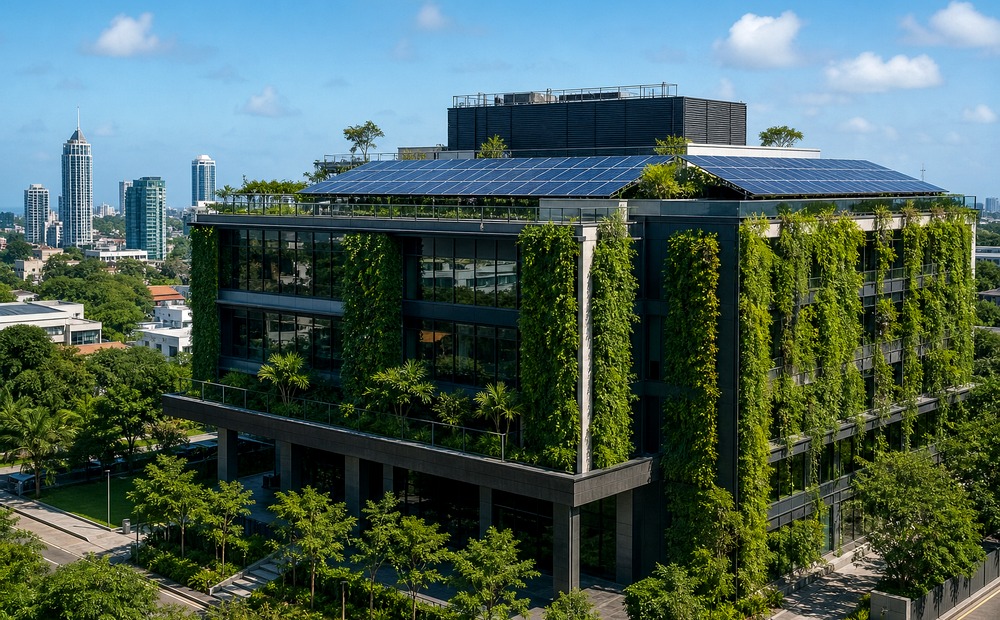

Establishing a regional headquarters in Sri Lanka signals long-term commitment to Asia-Pacific markets. Office leasing decisions for such headquarters extend beyond square footage and rent per square foot; they encompass brand representation, talent attraction, regulatory presence, and operational resilience. Executives and real estate teams must align workplace strategy with lease structures that preserve flexibility as headcount and hybrid work policies evolve.
Location selection should follow workforce and client access patterns rather than prestige alone. The CBD and Marina Bay remain flagship addresses for financial and professional services firms, while one-north, Changi Business Park, and selected suburban hubs offer alternatives with different cost profiles and talent pools. Transport connectivity to Changi Airport, immigration facilities for mobile executives, and proximity to key clients should be scored explicitly in the location matrix.
Space planning must reflect hybrid operating models. Many regional headquarters now target utilisation-aware layouts with varied work settings, client suites, and collaboration zones rather than uniform workstation grids. Engage workplace consultants early so technical fit-out specifications align with landlord delivery conditions — warm shell, fitted, or fully furnished — each carrying different cost and timeline implications in Sri Lanka.
Lease tenure and expansion rights require careful negotiation. Three-year terms with renewal options may suit agile organisations, while five-year commitments can secure more favourable economics. Rights of first refusal on adjacent floors, break clauses tied to measurable performance triggers, and clear reinstatement obligations should be evaluated against group treasury policy. Hidden costs often appear in reinstatement, car park allocations, and after-hours air-conditioning charges.
Landlord financial strength and building management quality affect day-to-day operations. Review service charge history, lift reliability, security protocols, and responsiveness of building management. For multinational tenants, integration with global security standards and business continuity planning may require specific access control and IT infrastructure provisions that should be confirmed before lease execution.
Legal documentation should align with group standards while respecting Sri Lankan law. Heads of terms should capture critical commercial points — rent-free periods, fit-out contributions, assignment and subletting rights, and signage entitlements — before counsel invests in full lease drafting. Parallel review by local and group legal teams prevents late-stage disputes that delay occupation timelines.
Tax and incentives may influence location and structure. While Sri Lanka does not apply a traditional territorial rates system for offices, various government schemes and sector incentives can interact with corporate structuring decisions. Real estate leaders should coordinate with tax advisers to ensure lease commitments do not conflict with incentive eligibility or transfer pricing policies.
Finally, plan for stakeholder communication. Board approvals, employee announcements, and client-facing address updates should be sequenced with lease signing and fit-out milestones. A regional headquarters move is a visible strategic event; disciplined project governance protects reputation and operational continuity.
GAR Sri Lanka advises multinational and growth-stage organisations on Colombo office leasing from requirements definition through handover. Our team integrates market intelligence, negotiation support, and coordination with project and legal advisers. Contact us to discuss your regional headquarters timeline and preferred submarkets.
Building certifications and wellness credentials increasingly appear in multinational RFP templates. Landlords without credible ratings may need capital programmes to remain on shortlists. Tenants should evaluate whether proposed rents fully reflect upcoming capex burdens passed through service charges.
Fit-out procurement timelines in Sri Lanka often parallel lease negotiation. Early appointment of interior designers and MEP engineers prevents occupation delays after lease execution. Landlord design guidelines and loading restrictions should be reviewed before committing to bespoke layouts.
Disaster recovery and split operations planning may require secondary office nodes or flexible coworking fallbacks. Leases that prohibit subletting or shared occupancy without consent can constrain resilience strategies — negotiate operational flexibility where business continuity policies require it.
Measurement and verification of occupancy costs should continue after move-in. Tracking effective rent, service charge variances, and fit-out amortisation against business case assumptions allows real estate teams to report accurately to finance and refine future location decisions with empirical evidence.
Regional headquarters often coordinate leases across South Asian markets simultaneously. Sri Lanka terms frequently set precedents for regional South Asian markets negotiations — maintain consistency in break rights, reinstatement standards, and reporting formats so group real estate teams manage portfolios coherently.
Employee experience metrics — commute time distributions, amenity satisfaction, and hybrid work utilisation — should inform lease renewal decisions as much as financial metrics. Real estate teams that integrate HR and workplace data negotiate from a stronger internal mandate when leadership reviews occupancy costs holistically.
A regional headquarters lease is a balance sheet decision and a talent strategy — negotiate for flexibility as deliberately as you negotiate for rent.
— GAR Sri Lanka